
Charles William Vane, 3rd Marquess of Londonderry
One of the most common questions Durham Pointers are asked when standing in Durham Market Place is “So who is the man on the horse?”
The quick answer is “Charles William Vane (formerly Stewart), 1778–1854, 3rd Marquess of Londonderry (KG KCB KCH PC). However, we’re fortunate that Marje, one of our volunteers, is quite an expert on him and she has provided this more detailed explanation.
Who Was Charles William Vane?
Charles William Vane (formerly Stewart) was born in Dublin on 18 May 1778, the second son of Northern Irish landowner Robert Stewart. Educated at Eton, his early life was shaped by his close relationship with his elder half-brother Lord Castlereagh, one of the most influential British statesmen of the era. Charles went on to build a distinguished career as a soldier, politician, diplomat and entrepreneur, playing significant roles nationally and locally across military campaigns, Parliament and the coal industry.
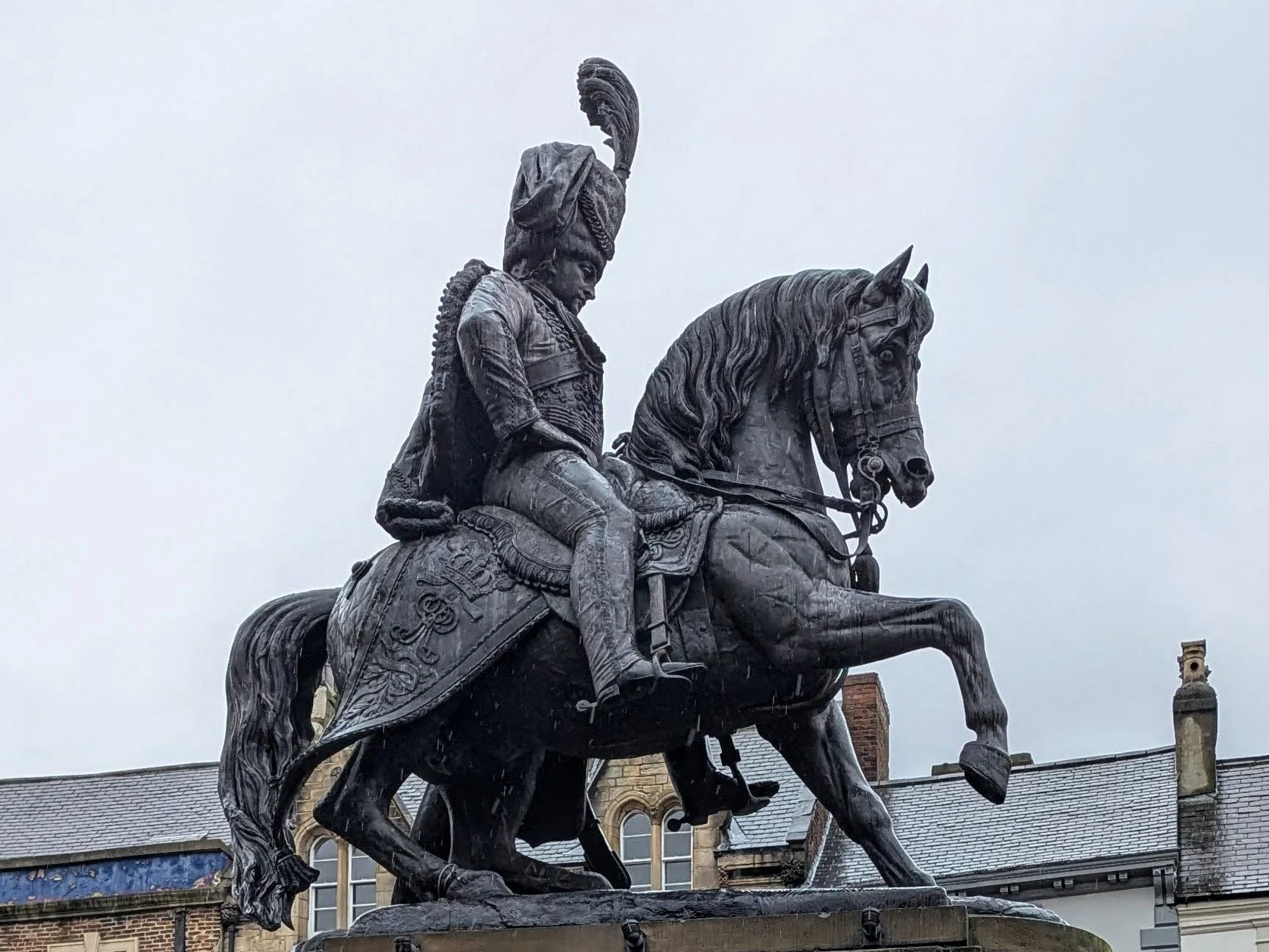
The Marquess of Londonderry ststue in Durham Market Place shows Charles in his hussar's uniform seated on a horse with it's right foreleg raised
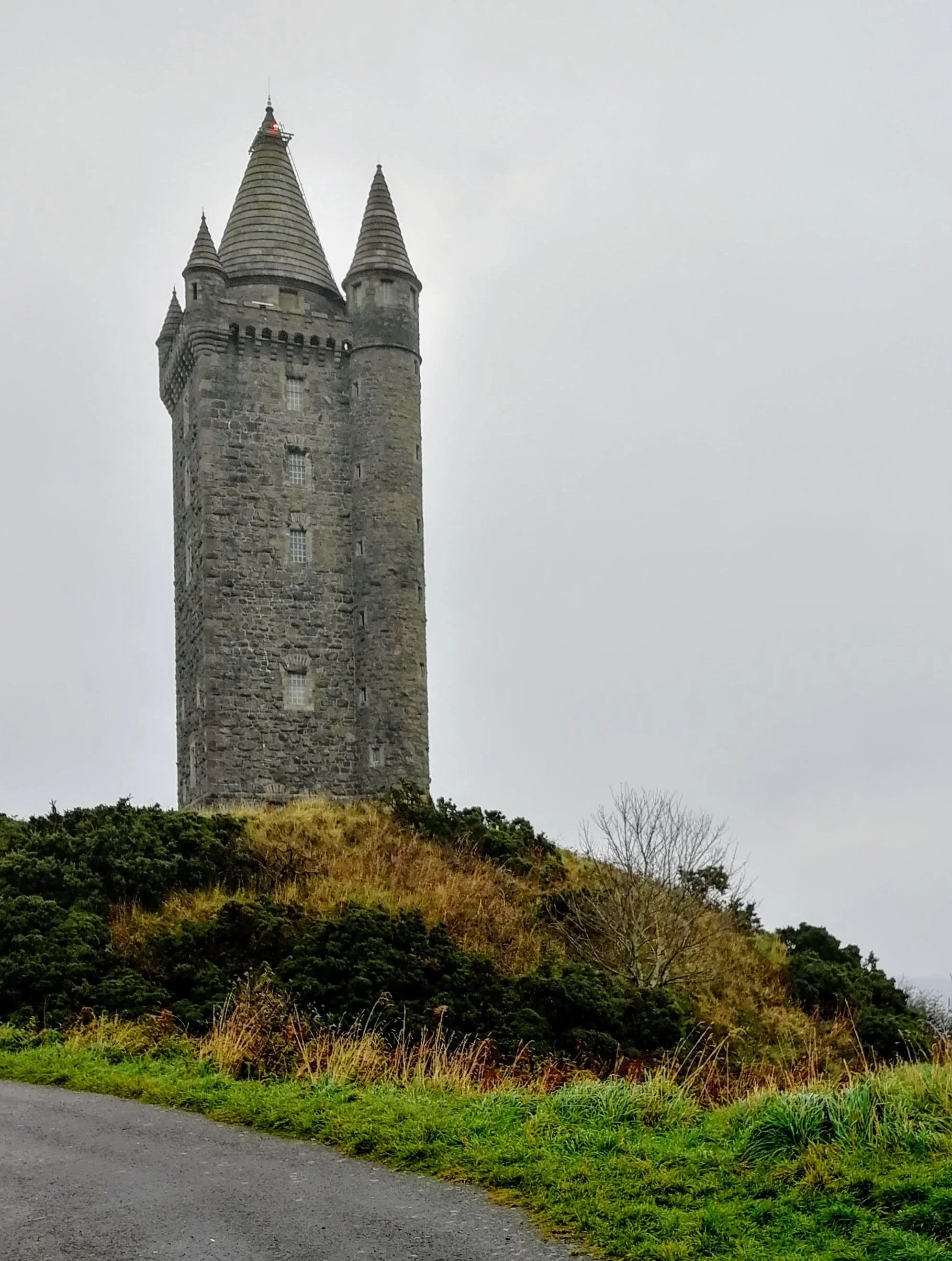
Scrabo Tower, Newtonards, N. Ireland
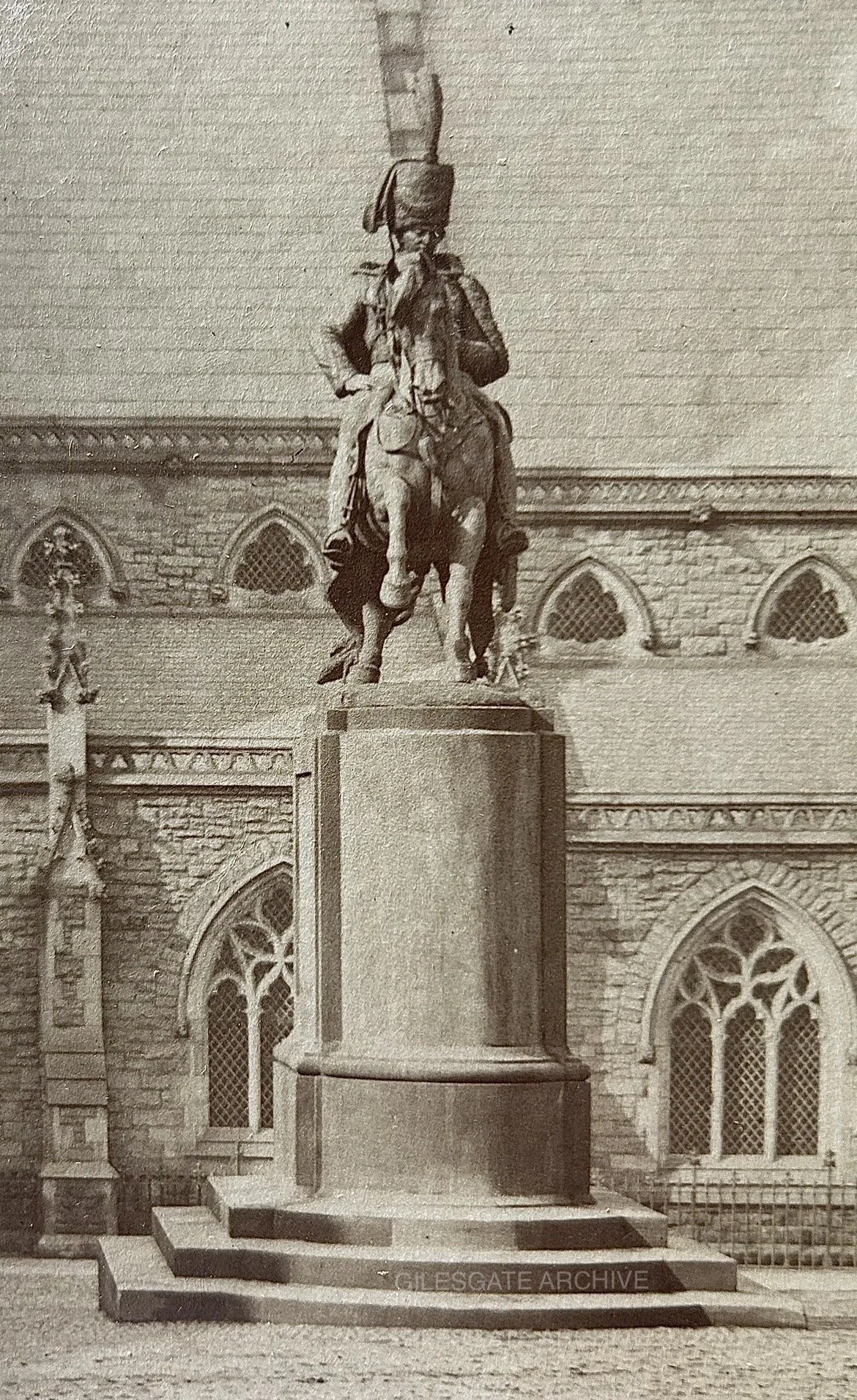
A sepia image (c 1860s)of the statue of Charles, 3rd Marquess of Londonderry situated in its original position outside St Nicholas' church in Durham Market Place. Photo courtesy of Michael Richardson, Gilesgate Archive
Why Durham Honours Him: The Story Behind the Statue
In 1857, Scrabo Tower was erected in his honour by his Northern Ireland tenants. It is an impressive 38-metre high turreted monument near Newtonards, near the location of his Mount Stewart house just south of Belfast.
The striking double-sized equestrian statue (locally known as “the man on the horse”) in Durham Market Place was funded by public subscription, with over £2,000 raised by more than 200 local people who wanted to honour him and claim him for their own. It was unveiled in January 1861 with great ceremony. In 2006 the statue was removed from its original position and re-situated higher up the Market Place.
These public memorials show how Charles William Vane was regarded both in Northern Ireland and in the North East. During the early 19th century it wasn’t unusual for communities to erect monuments to notable local figures. One such is the statue of the 2nd Earl Grey in Newcastle (1838).
The Monument Itself : Victorian Craftsmanship & Innovation
Created in 1858 by sculptor Raffaelle Monti, the statue now holds an Historic England Grade II* designation for several important reasons. Monti was a nationally respected sculptor known for technical and artistic quality. The statue reflects the Victorian taste for greater realism in commemorative art. It was cast using an innovative electro-plating process and remains the largest work ever made with this technique. The figure commemorates a man of national significance, whose military, diplomatic and industrial roles shaped his era. The Marquess is shown in fine detail as a general officer of the 10th (Prince of Wales’s Own) Royal Hussars during the 1820s.
A local legend says that a blind man discovered a fault with the statue; that the horse doesn’t have a tongue and that this caused Monti to take his own life. However neither of these stories is true. The horse does have a tongue and Monti lived to 1881.
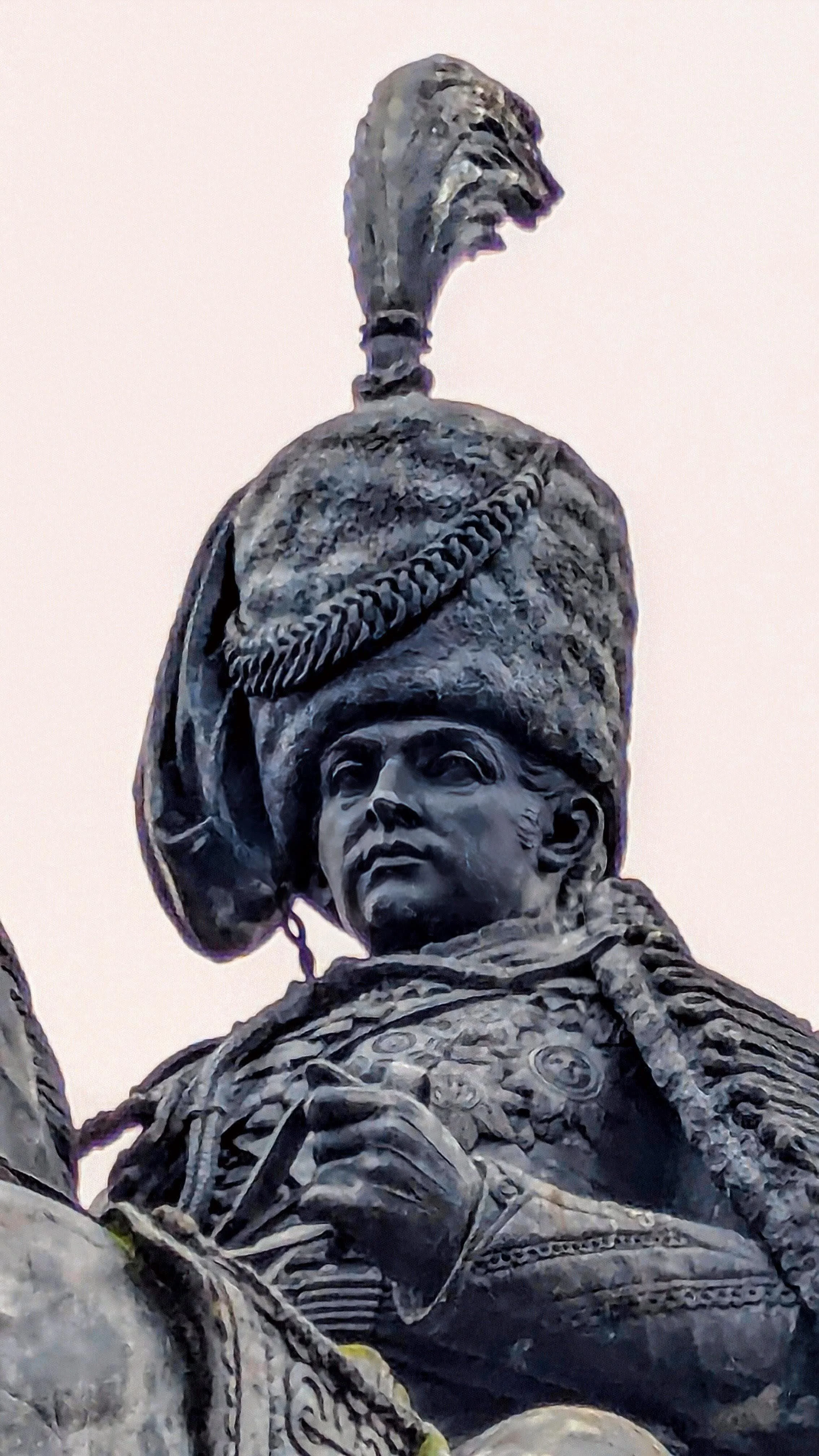
Detail of the head from the Durham statue
Military Career: From Teen Enlistee to Battle-hardened General
Charles William Vane began his army career at just 16 and fought in more than 25 battles during the French Revolutionary and Napoleonic Wars. At 19 he became Lieutenant Colonel of the 5th Dragoon Guards, eventually rising to General by 1837.
Notable Military highlights
·Charles commanded a hussar brigade under Sir John Moore in the Corunna campaign. He served as adjutant-general to Sir Arthur Wellesley (later the Duke of Wellington) between 1809–1812. he was wounded multiple times, such that his sight and hearing were impaired and later he was severely wounded at the Battle of Kulm (1813) when fighting with the Austrians and Prussians. When Charles left the peninsula he sold his horse ‘Copenhagen’ to Wellington who later rode it throughout the battle of Waterloo.
Charles was known to his family as “Fighting Charlie”. From 1812 to 1815 he served as Military Commissioner with Allied forces and Minister Plenipotentiary to Prussia and saw action throughout Europe, liaising with the rulers and generals of allied armies. In 1820 he was appointed Colonel in Chief of the 10th Hussars when their previous colonel the Prince Regent became King George IV. In 1842 he gave up this role to become the colonel in chief of the 2nd Life Guards. He by then held the rank of General.
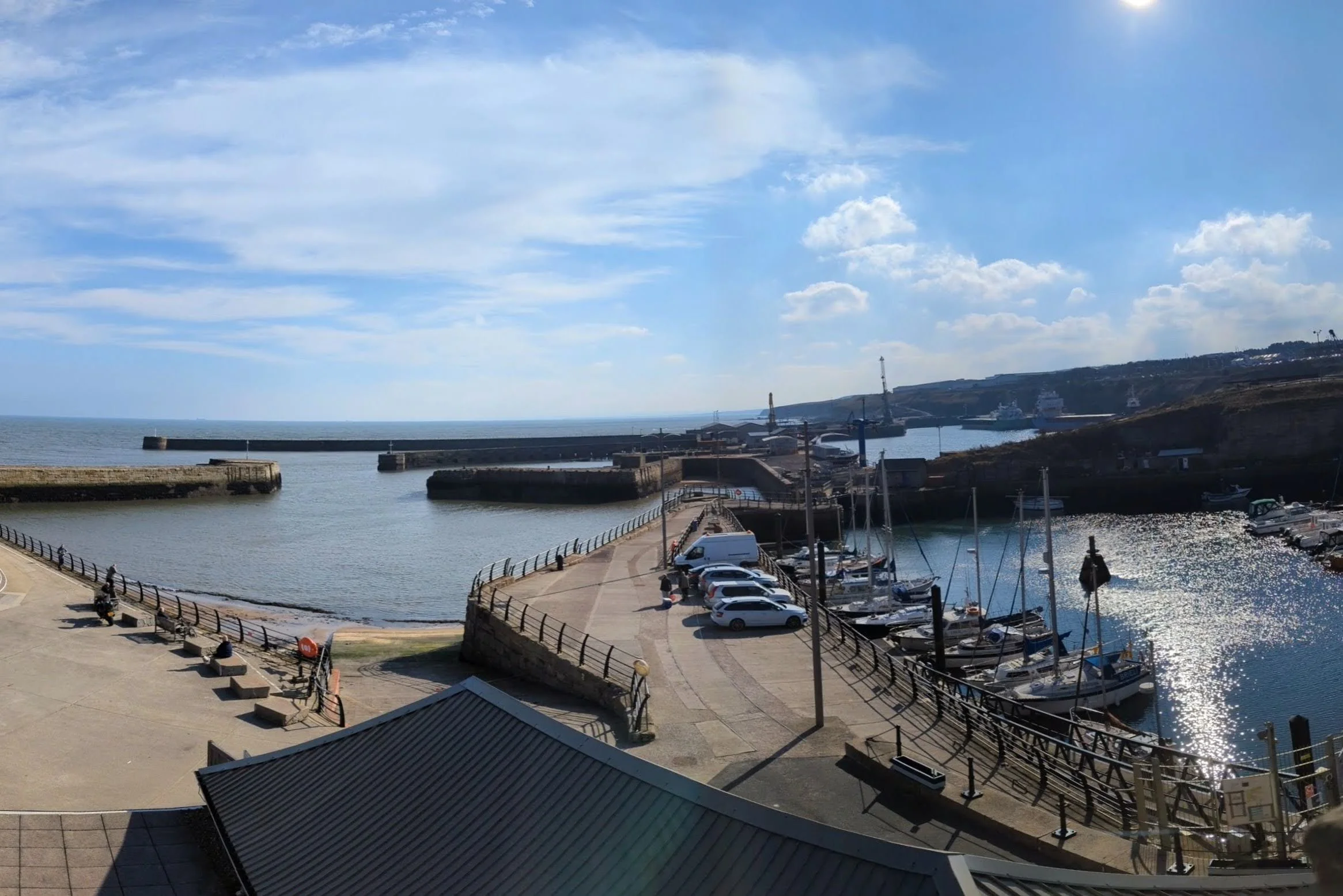
A view across the inner and outer harbours at Seaham, with the commercial harbour in the background
Public Life: Politics, Diplomacy & European Influence
Charles’s career extended beyond the battlefield into politics and diplomacy. He was elected Tory MP in the Irish Parliament for Thomastown (1798). He served as MP for County Londonderry (1801–1814) in the UK Parliament. He was appointed Under-Secretary for War and the Colonies (1807–1809). He was knighted and ennobled as Baron Stewart (1813), gaining a seat in the House of Lords. [The image of the 1812 oil painting is displayed under a Creative Commons Licence from the National Portrait Gallery, London.]
Between 1813 and 1816 Charles received decorations from Russia, Portugal, Prussia, and Sweden. In 1814, he was awarded honorary degrees by Oxford and Cambridge, appointed Privy Councillor and Lord of the Bedchamber.
As British Ambassador to Austria (1814–1823), he attended major European gatherings, including the Congress of Vienna (1814). His time in Vienna earned him the nickname “the Golden Peacock,” partly due to his social life at court. He resigned in 1822 after the death of his brother, Castlereagh.
In 1852 he was made a Knight of the Garter and served as a pallbearer at the Duke of Wellington’s funeral.
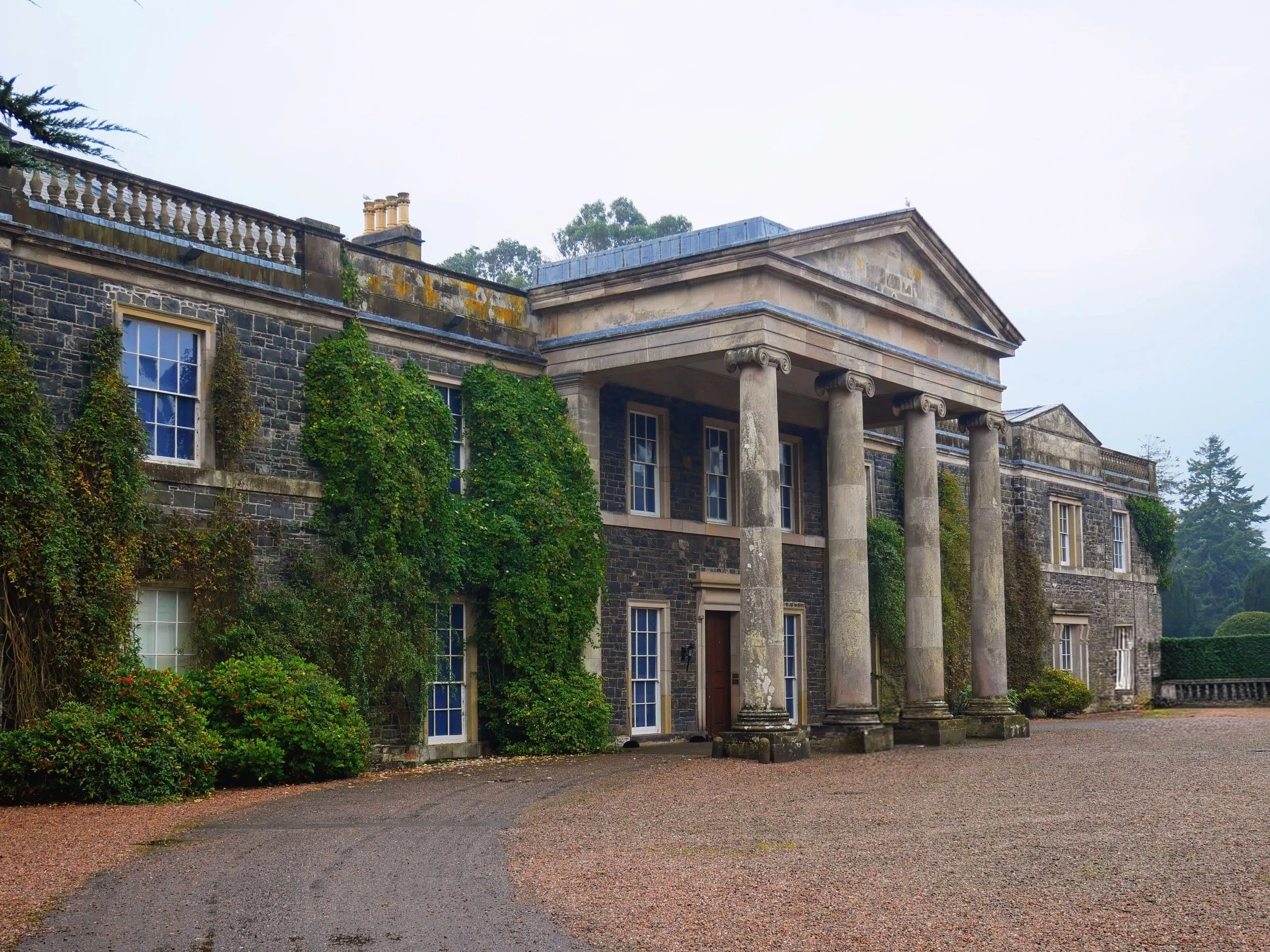
A view of the front entrance of Mount Stewart, the Londonderry seat in Northern ireland, showing a four column portico
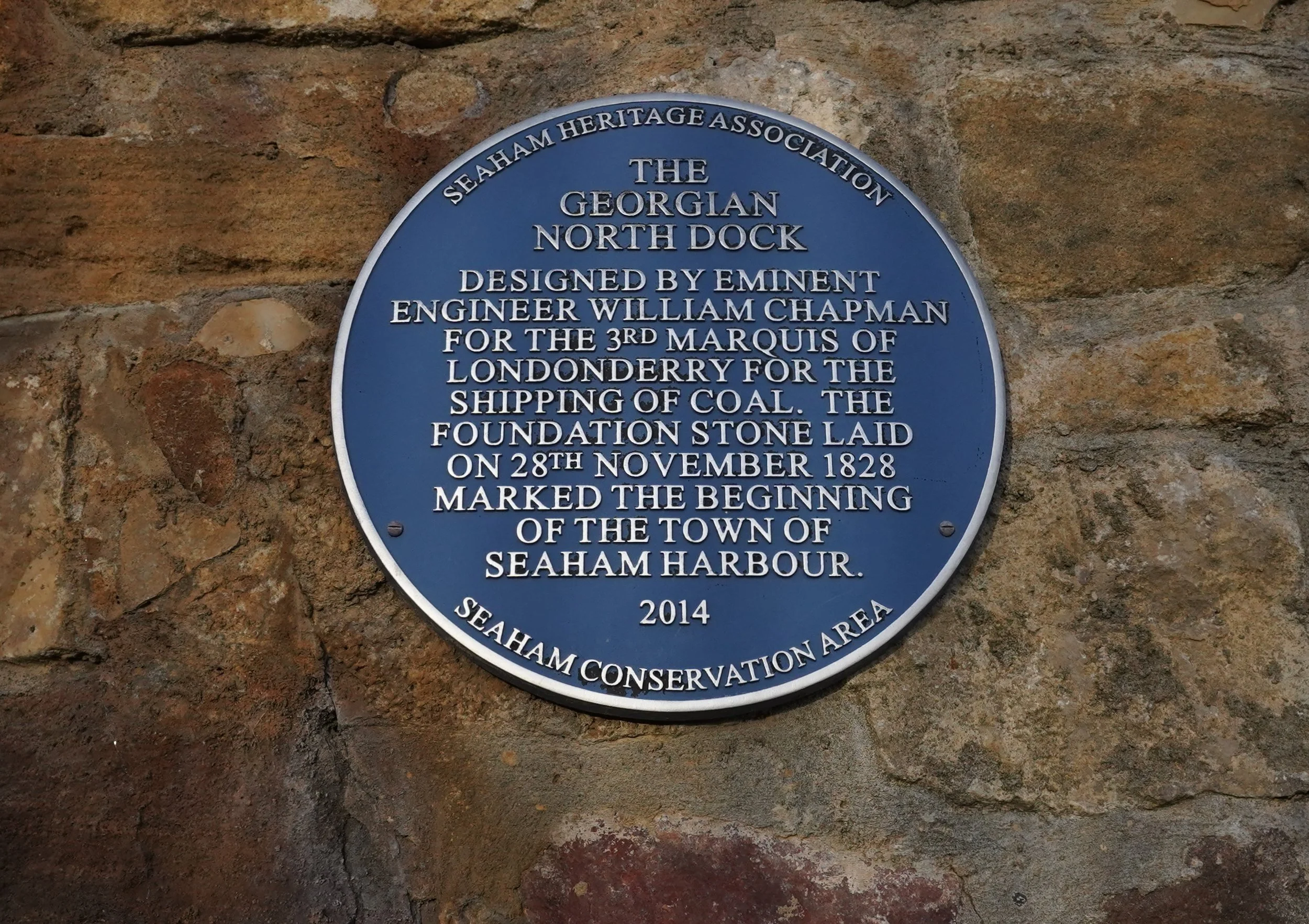
“The dock at Seaham was designed by William Chapman for the 3rd Marquis of Londonderry for the shipping of coal. The foundation stone was laid on 28th Nov 1828”
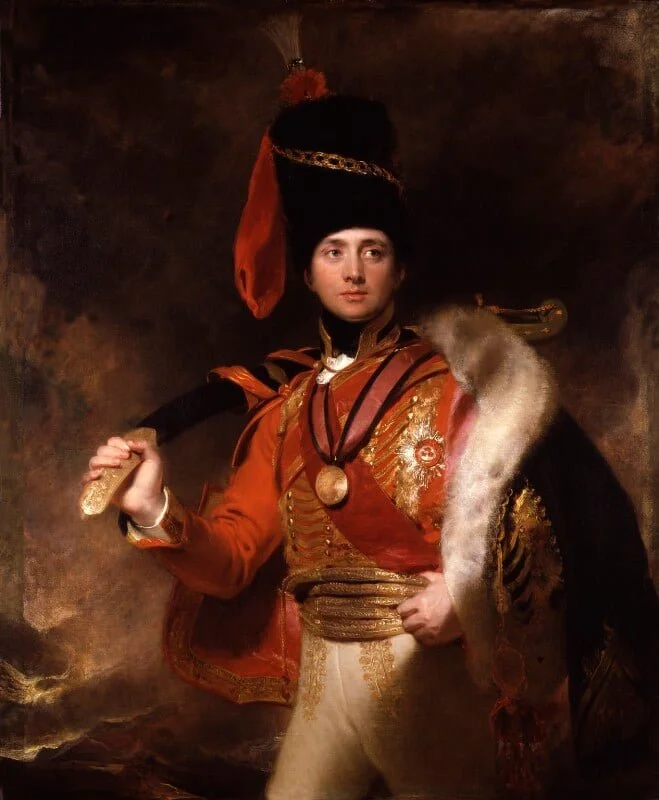
Charles William Vane-Stewart, 3rd Marquess of Londonderry by Sir Thomas Lawrence, oil on canvas, 1812. National Portrait Gallery NPG 6171 CC BY-NC-ND 3.0
County Durham Connections: Family, Industry & Legacy
In 1804 Charles married Lady Catherine Bligh; she died in 1812, leaving one son. In 1818 he met Frances Anne Vane-Tempest, the daughter of a baronet and heiress of Wynyard Hall in County Durham and they married in 1819. He adopted the surname Vane and after 1822 focused on the couple’s growing coal mining interests in the region.
His paternalistic attitude toward employees and fiery personality meant his reputation as a coal owner was controversial, a reflection of the turbulent industrial times.
Together they rebuilt Wynyard Hall, bought a London residence, and acquired the Milbanke estate at Seaham, where they created a harbour to avoid shipping fees. Charles became Lord Lieutenant of County Durham in 1842.
Charles died in 1854 and is buried at Long Newton Church as is his wife Frances. Through their daughter Lady Frances Ann Emily Vane who married the 7th Duke of Marlborough, Charles became the great-grandfather of Sir Winston Churchill.
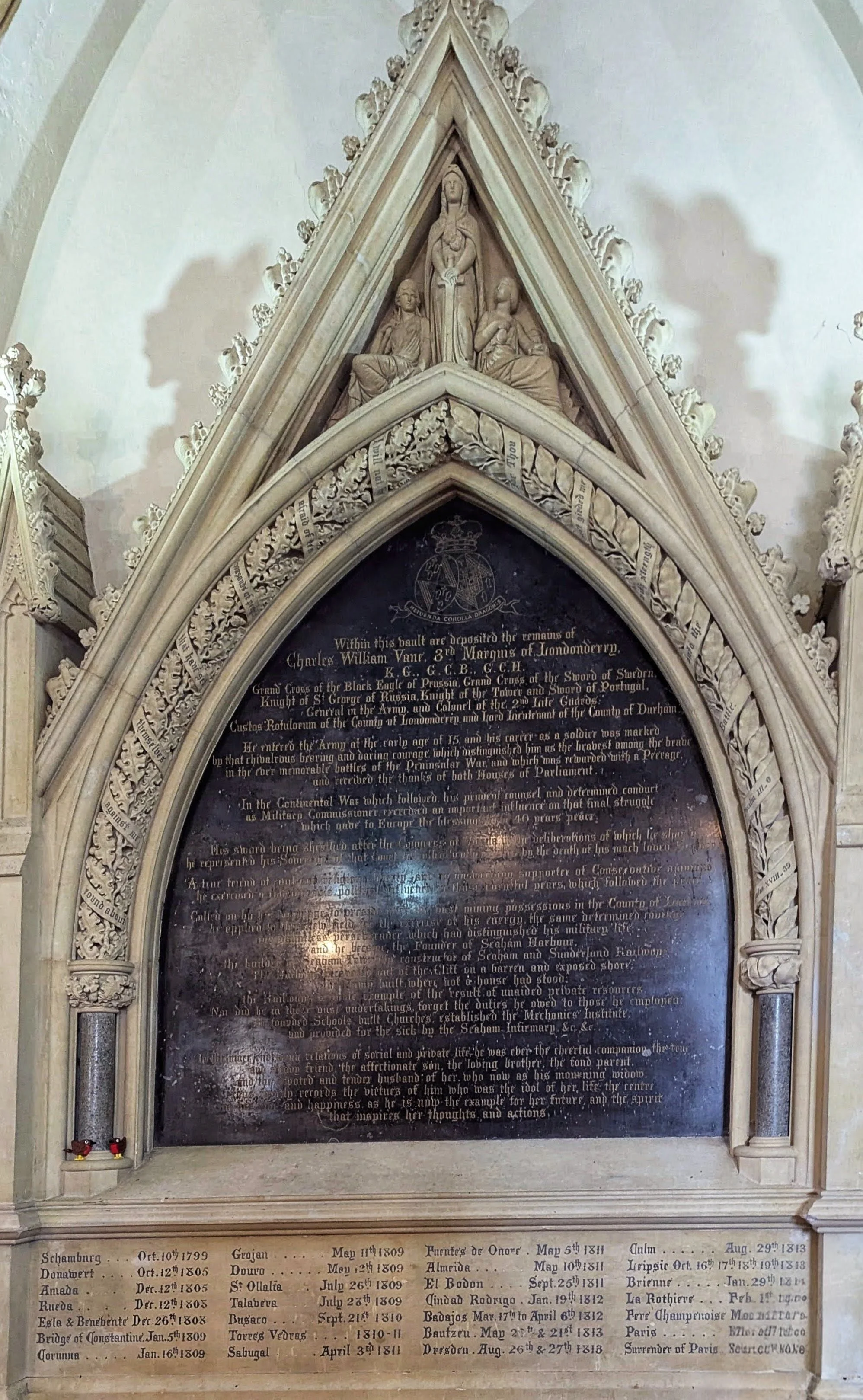
Charles William Vane’s memorial in St Mary’s church, Long Newton
A Life Worth Remembering in Durham?
From the battlefield to high society, international diplomacy to industrial enterprise, Charles William Vane’s life bridged many worlds. His statue in Durham Market Place stands not just as a piece of public art, but as a testament to one of the region’s most fascinating historical figures.
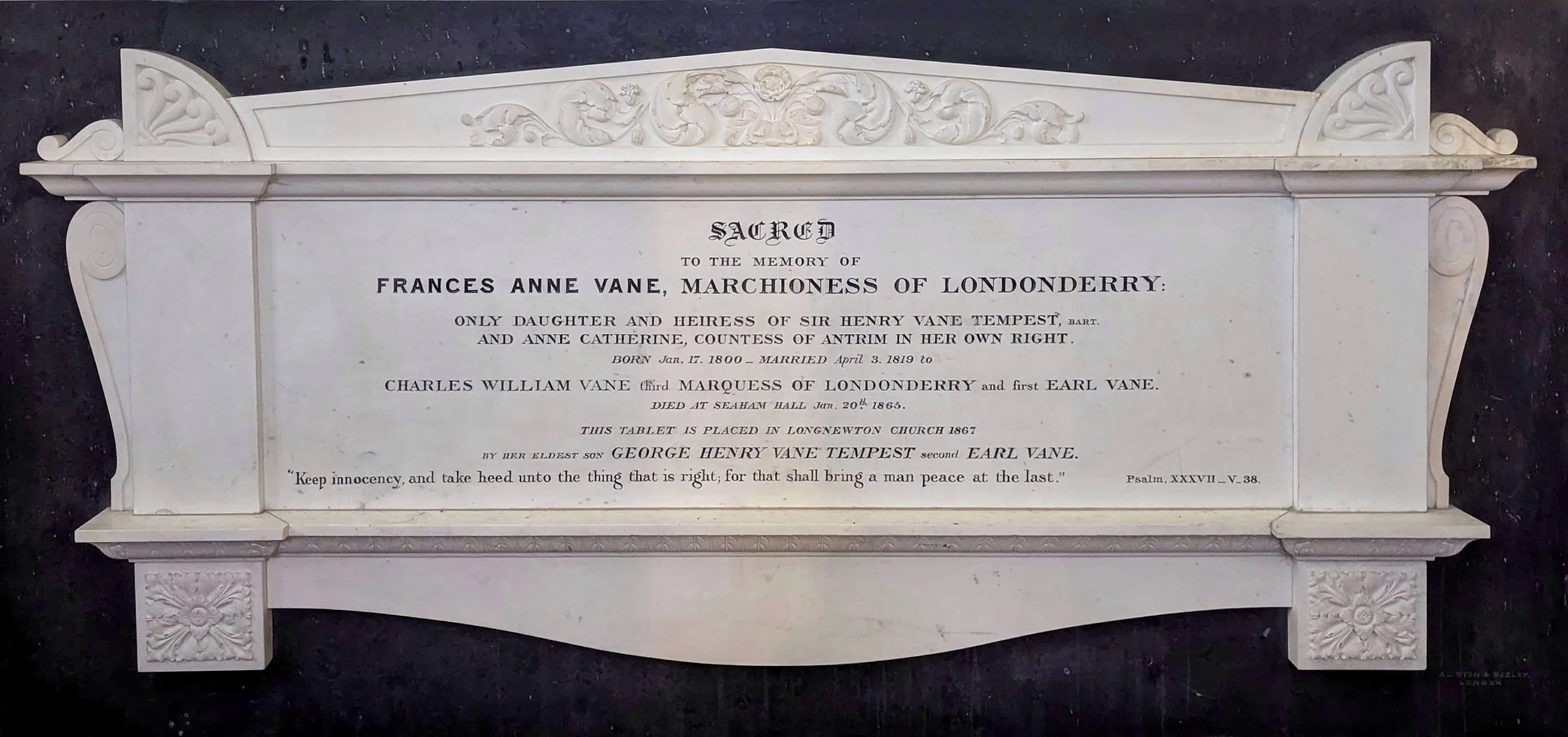
The memorial stone for Frances Anne Vane in St Mary’s church, Long Newton
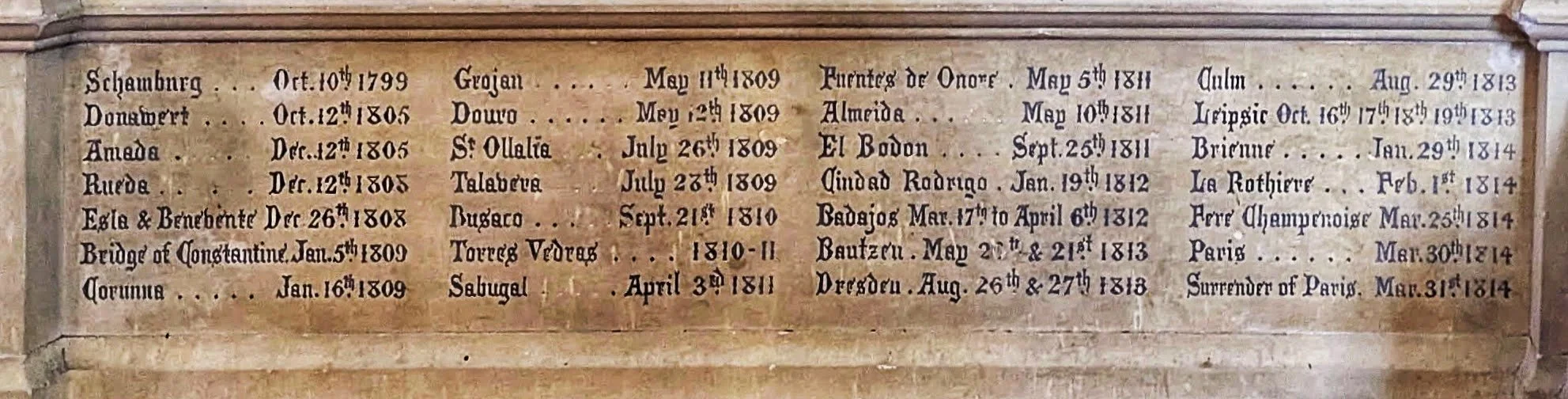
A list of the battles the 3rd Marquis of Londonderry fought in, taken from his memorial in Long Newton church
Final Thoughts
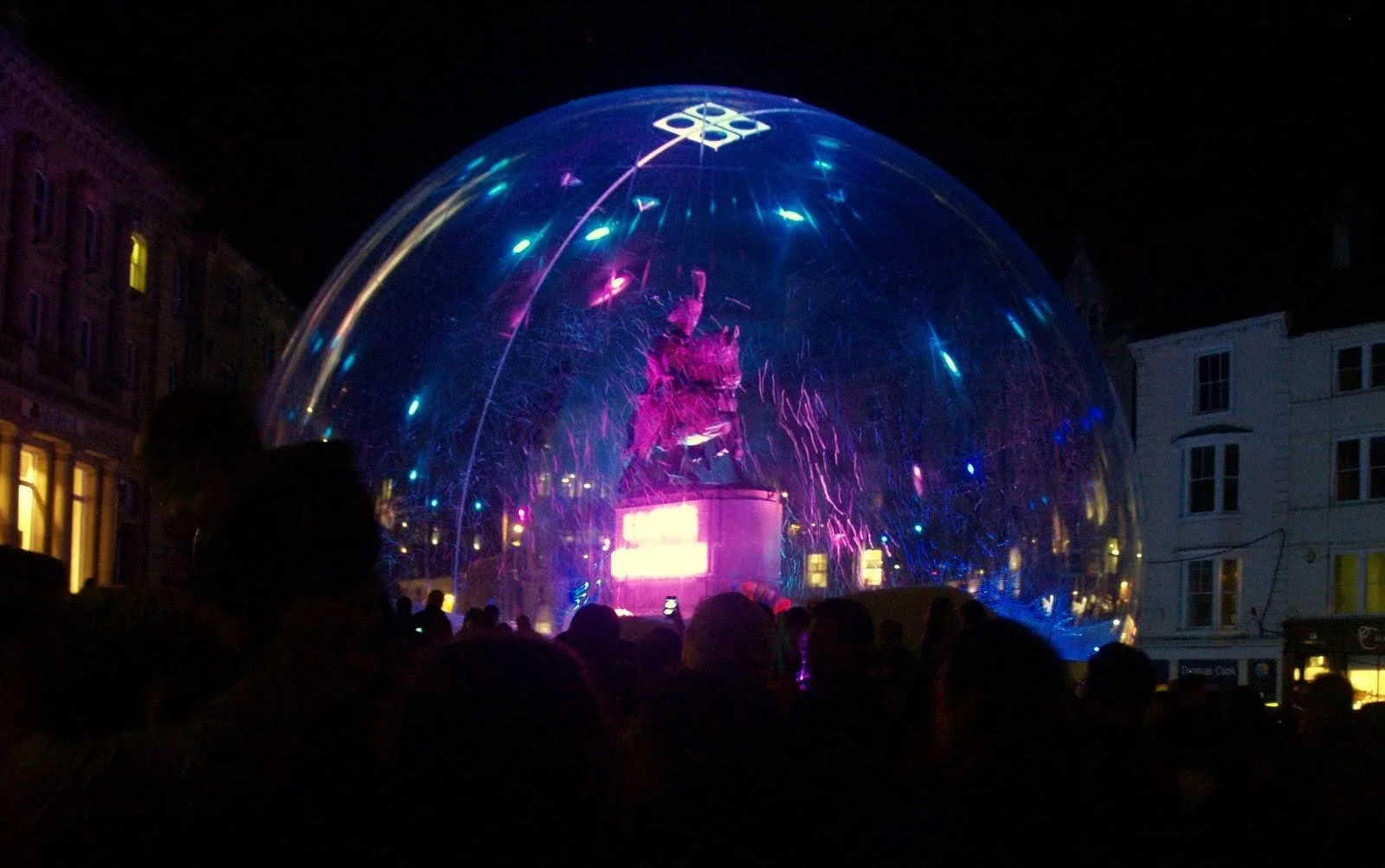
The Marquess of Londonderry statue as a snow globe during the Lumiere festival
Charles’ legacy is woven into the fabric of Durham’s heritage. For local residents “I’ll meet you by the horse” has been one of the standard meeting places in the city for most of their lives. The statue even became a focal point as a snow globe in a recent Lumiere festival in the city. If you’re interested to learn more, come and chat to the Pointers in Durham Market Place.
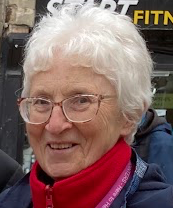
Marje has been a Pointer since 2012 and has spent many happy hours researching the Marquess of Londonderry and his family.