
National Glass Centre, Sunderland Sculpture Trail and North Dock Tufa
Industrial heritage, public art, hidden geology and seaside views in one fascinating Sunderland walk
If you're looking for a walk that combines art, history, geology and coastal scenery, this Sunderland route has plenty to offer. Starting at the National Glass Centre, the walk follows the banks of the River Wear to discover the Sunderland Riverside Sculpture Trail before visiting the unusual North Dock Tufa.
For those wanting to explore further, the route can be extended to include Roker Beach, Roker Pier, Roker Park, the birthplace of James Herriot and the historic St Peter's Church. With plenty of opportunities to shorten or extend the walk, it's an enjoyable outing for families, visitors and anyone interested in Sunderland's rich heritage.
At a Glance
Location: Sunderland
Distance: Approximately 3–4 miles for the full circular route
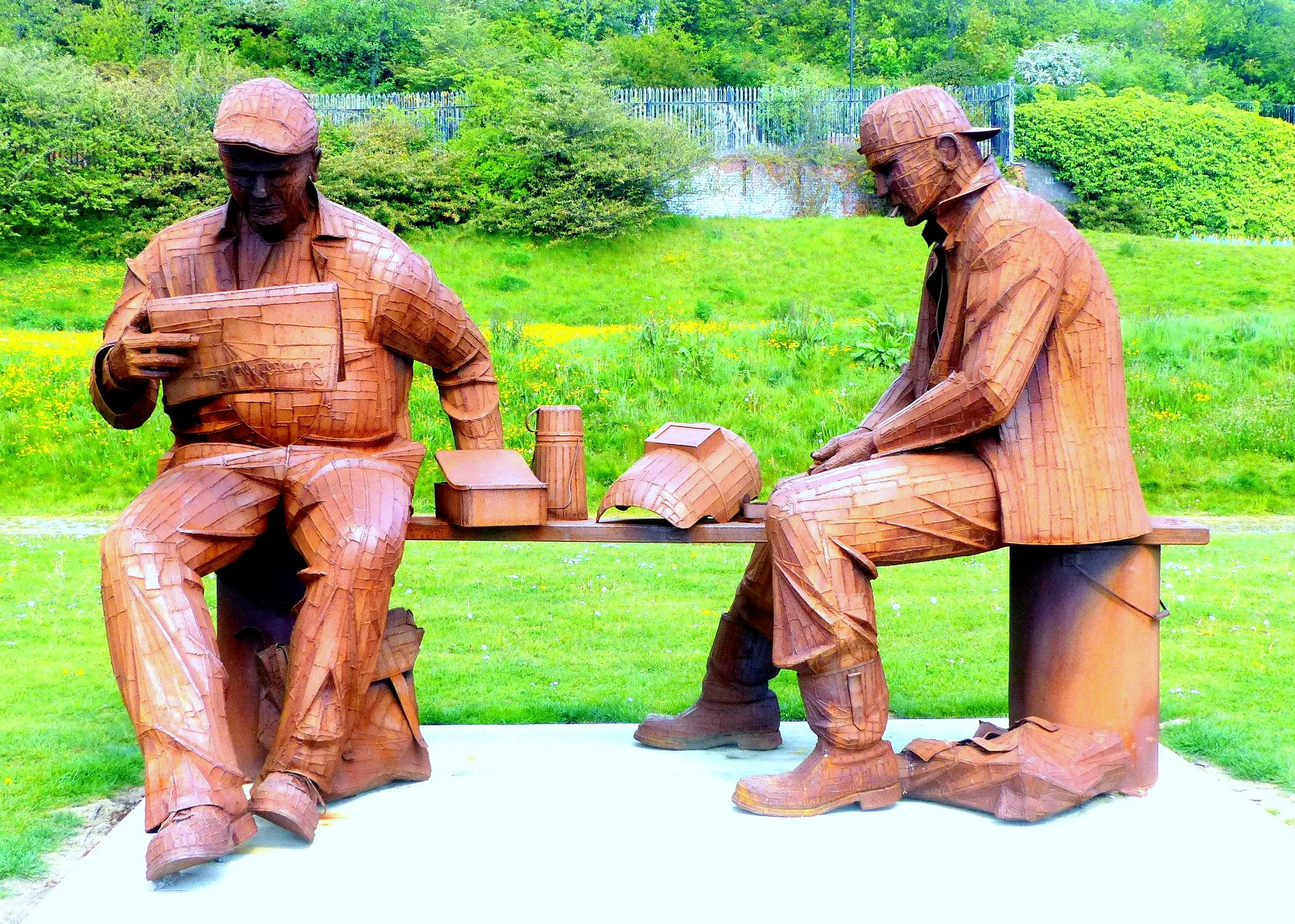
A Ray Lonsdale sculpture of two workers sitting on a bench
Time Required: 2–4 hours depending on stops and optional extensions
Terrain: Mainly paved riverside paths, promenade and park paths
Suitable For: Families, walkers, history enthusiasts, art lovers and geology enthusiasts
Facilities: Café at the National Glass Centre, cafés and shops at Roker seafront, public toilets nearby
Parking: Available at the National Glass Centre, Dock Bank, nearby streets and around Roker Park
Starting at the National Glass Centre
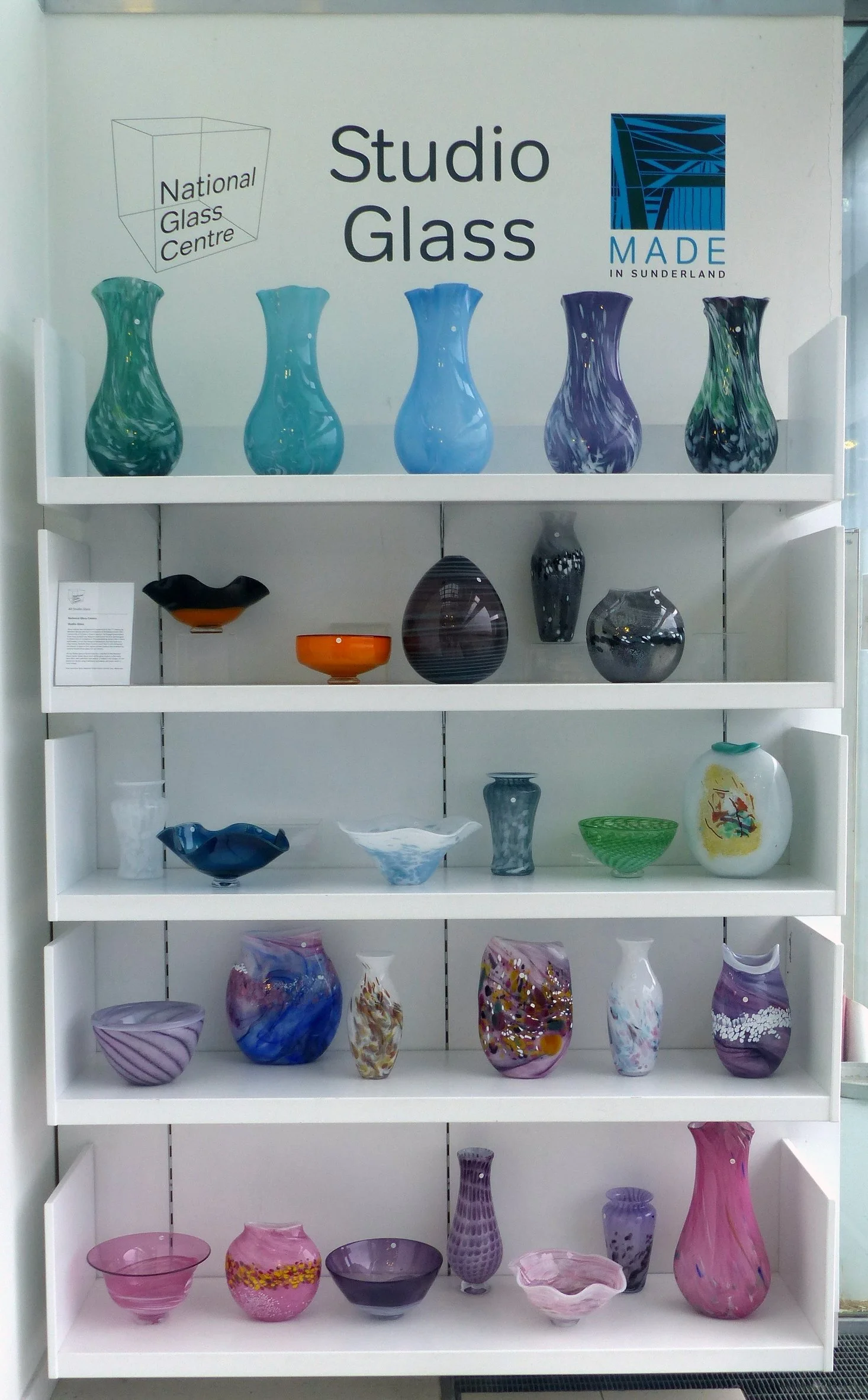
A display of glassware at the National Glass Centre
The walk begins at the National Glass Centre, one of Sunderland's best-known attractions.
At the time of writing, the centre is due to close during summer 2026, so this may be one of the last opportunities to experience it in its current form.The centre presents Sunderland's long and important history of glass making in a highly accessible way. Visitors can explore displays covering the city's industrial heritage, contemporary glass art exhibitions, glass-making demonstrations and a café.
Pointers Tip: Allow extra time before your walk to explore the exhibitions and demonstrations. They provide valuable context for Sunderland's industrial past.
Following the Sunderland Riverside Sculpture Trail
Leaving the National Glass Centre, turn right and walk upriver towards Wearmouth Bridge.
Along this section you'll encounter numerous sculptures, including two works by renowned sculptor Ray Lonsdale. The riverside setting provides excellent views across the Wear and plenty of activity on the water.
After reaching Wearmouth Bridge, retrace your steps downriver. On the return journey you'll pass further artworks, including the Red House Sculpture, before arriving at the distinctive Telescope Sculpture.
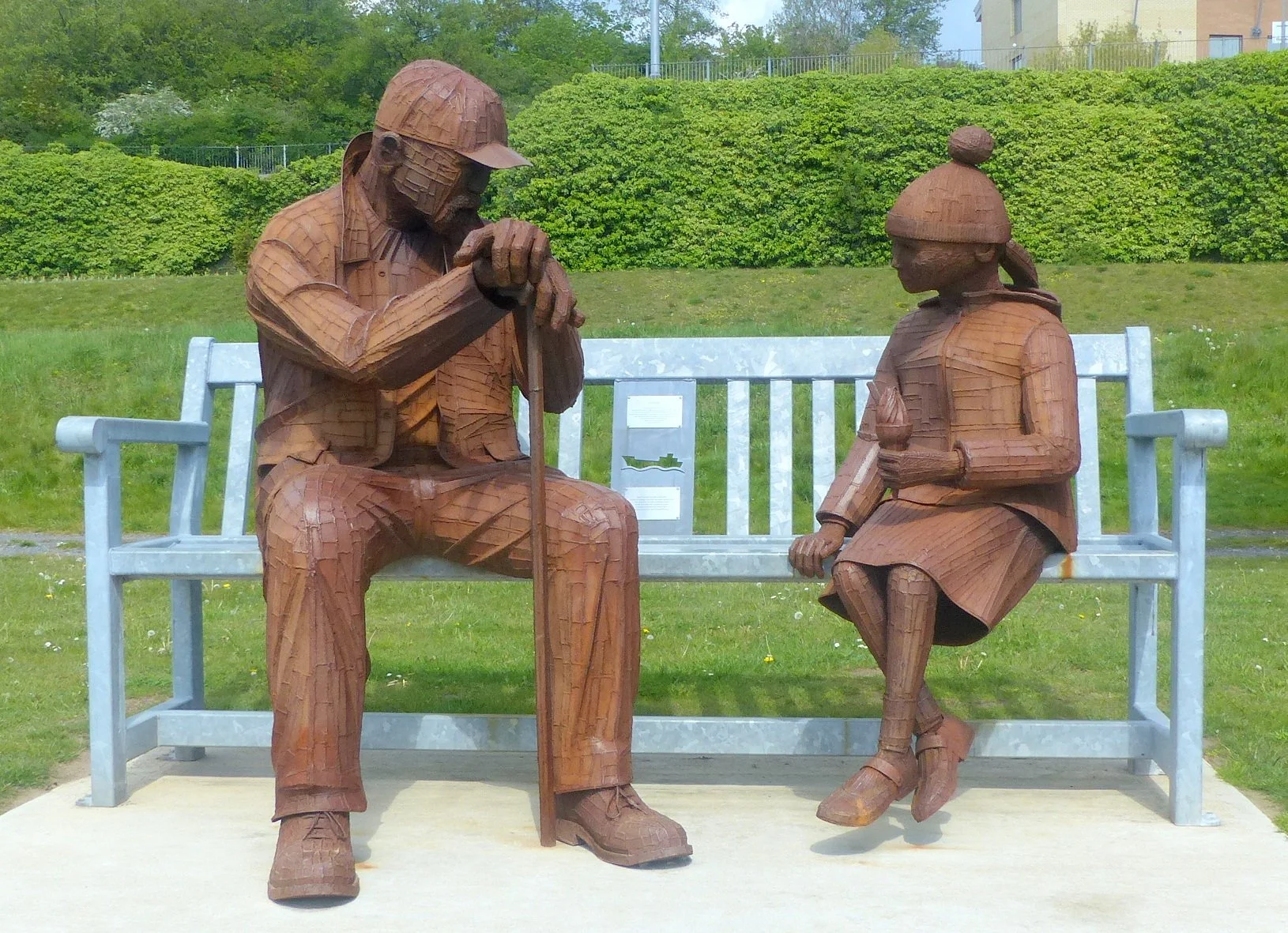
Ray Lonsdale sculpture of a worker and child sitting on a bench
The Sunderland Riverside Sculpture Trail combines public art with attractive riverside scenery and offers plenty to discover along the route.
The Hidden North Dock Tufa
From the Telescope Sculpture, head down Dock Bank towards North Dock Marina.
Additional sculptures can be found around the dockside area before reaching the marina offices.
Ask at the marina reception desk to view the North Dock Tufa, a remarkably unusual geological feature hidden away within the marina complex.
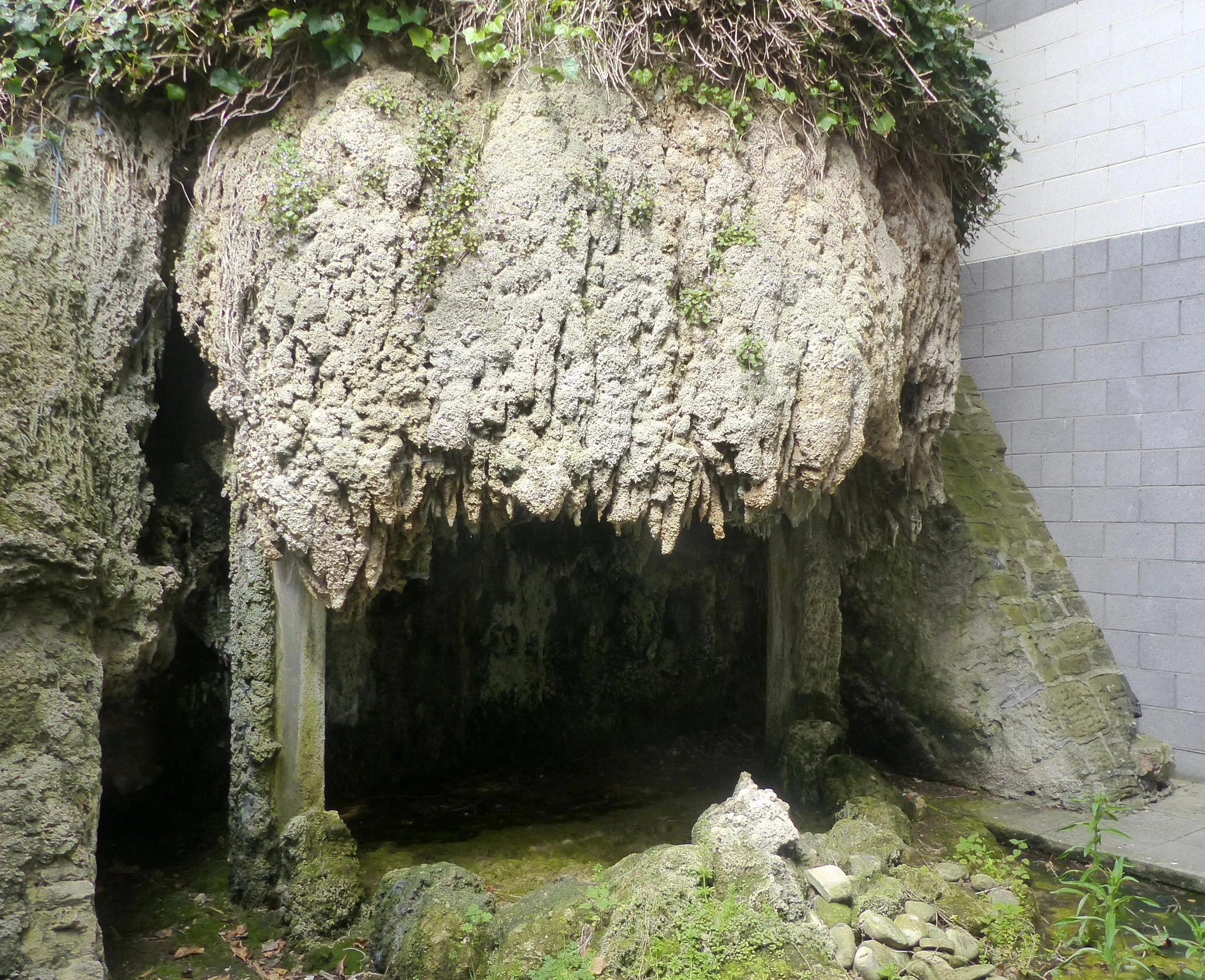
The North Dock Tufa
The tufa was formed by mineral-rich water depositing calcium carbonate over many years, creating an intriguing natural structure rarely seen in urban environments.
More information is available on the North Dock Tufa's history and formation.
Pointers Tip: Many local residents are unaware the tufa exists, making it one of Sunderland's most unusual hidden attractions.
For many visitors, the tufa marks the end of the walk. However, if you wish to continue, there is plenty more to explore.
Optional Extension to Roker
Turn left from the marina and head towards the Old North Pier, Roker Beach and Roker Pier.
Roker Pier is open to the public and offers a wonderful opportunity to walk out into the North Sea. Along the promenade you'll find cafés, shops and plenty of places to stop and enjoy the coastal views.
Exploring Roker Park and beyond
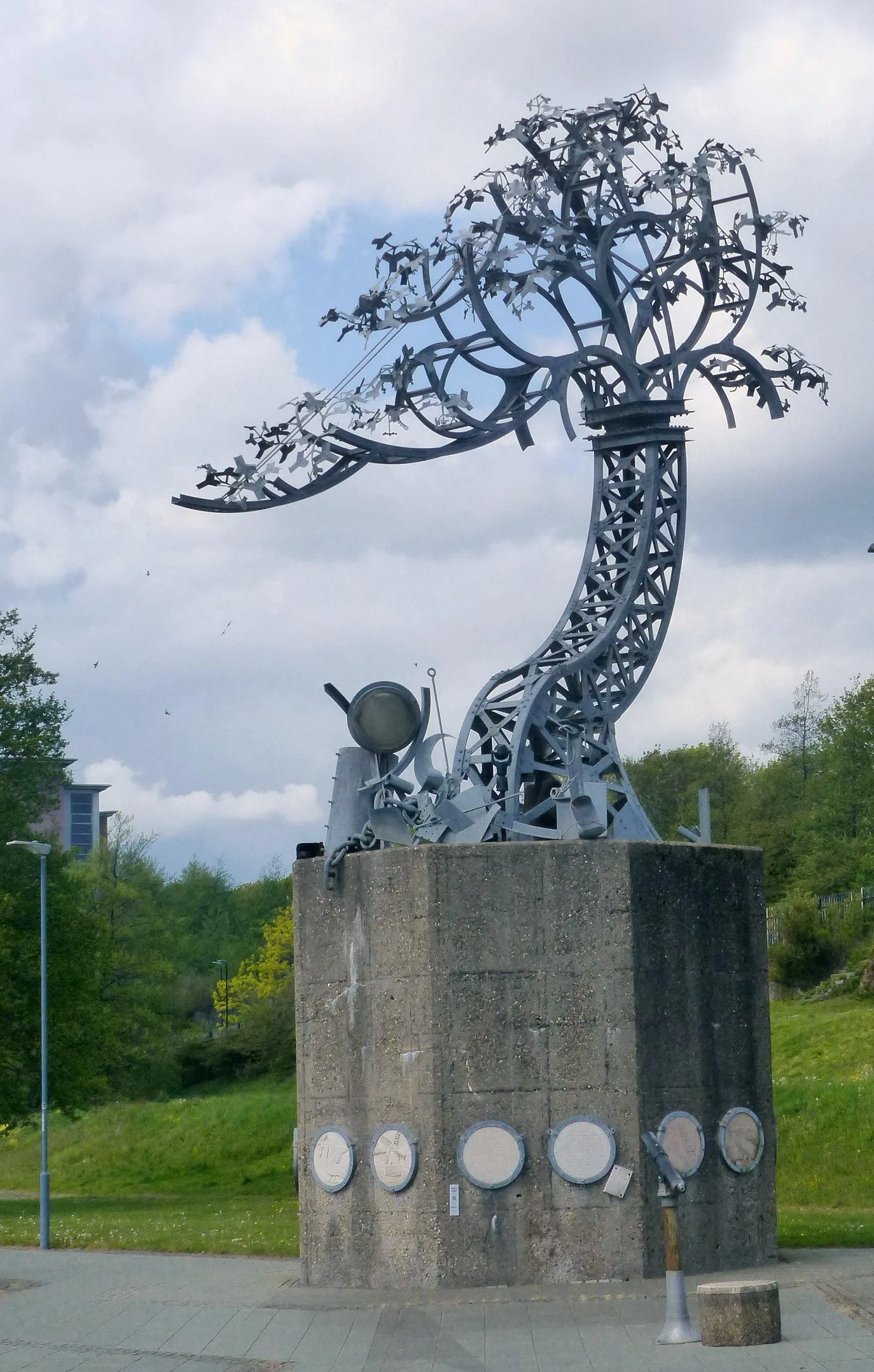
One of the sculptures on the trail
From the seafront, continue through the ravine into Roker Park.
This attractive Victorian park includes:
A model steam railway offering free rides at weekends
A model boating lake, with sailing sessions on Thursday and Sunday mornings
Children's play areas
Attractive gardens and open green spaces
This section of the route is particularly appealing for families with younger children.
James Herriot's Birthplace
Those with the energy for a longer walk can continue beyond Roker Park.
Leave the park via the far side, pass the tennis courts and follow Brandling Street.
Halfway along the street, on the left-hand side, you'll find the birthplace of James Herriot, the much-loved Yorkshire veterinary surgeon and author. The building is marked with a blue plaque.
St Peter's Church and the Venerable Bede
Continuing along Brandling Street and crossing Roker Avenue brings you to St Peter's Church.
Dating from AD 674, the church is one of the most historically significant sites in the North East and has strong links to the Venerable Bede.
Its other claim to fame is that I was christened there quite a few years ago.
From the church it is only a short distance back to the National Glass Centre, completing the circular route.
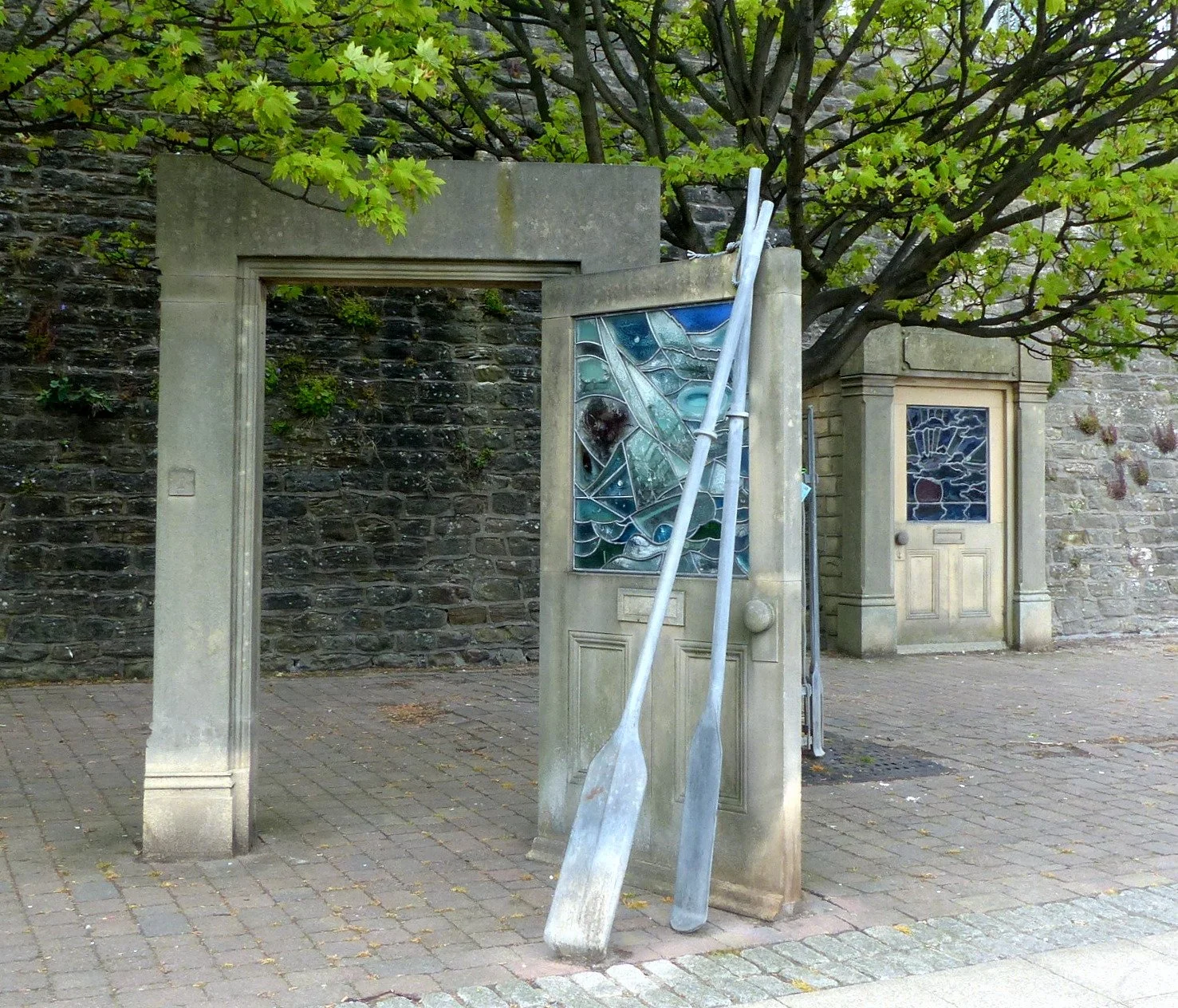
A sculpture of an open door on the Sculpture trail
Parking and Facilities
Parking is available at:
The National Glass Centre
Nearby residential streets
Dock Bank
Potato Garth on the riverside (local residents can usually point visitors in the right direction)
There is also ample parking around Roker Park for those choosing to walk the route in reverse.
Refreshments are available at the National Glass Centre and throughout the Roker seafront area.
Family-Friendly Features
Families will find plenty to keep children interested throughout the route, including:
Glass-making demonstrations
Public sculptures
Boats and marina activity
Beach and promenade walks
The model railway
The boating lake
Children's play facilities
Pointers Perspective
What makes this walk particularly enjoyable is the sheer variety packed into a relatively short distance. Within a few miles you can experience Sunderland's industrial heritage, contemporary public art, hidden geology, coastal scenery, historic churches and family-friendly attractions.
Whether you choose the shorter riverside route or the full circular walk via Roker and St Peter's Church, this is an outing that reveals several lesser-known sides of Sunderland and rewards curious explorers at every turn.
About the Author
Trevor has been a Durham Pointer for over 10 years and grew up in the area featured in this article.